After a brief winter hibernation, Podcast 13 is officially back in the studio! Ian and Vanesa have returned with renewed energy, a few more stamps in their passports, and a massive to-do list as we sprint toward the 2026 Edinburgh Festival Fringe.
In this comeback episode, we dive deep into the high-stakes world of arts infrastructure, the “onion-like” layers of running a venue, and the exciting (if slightly rainy) cultural happenings across Scotland this month.
The Shockwaves of the CCA Closure
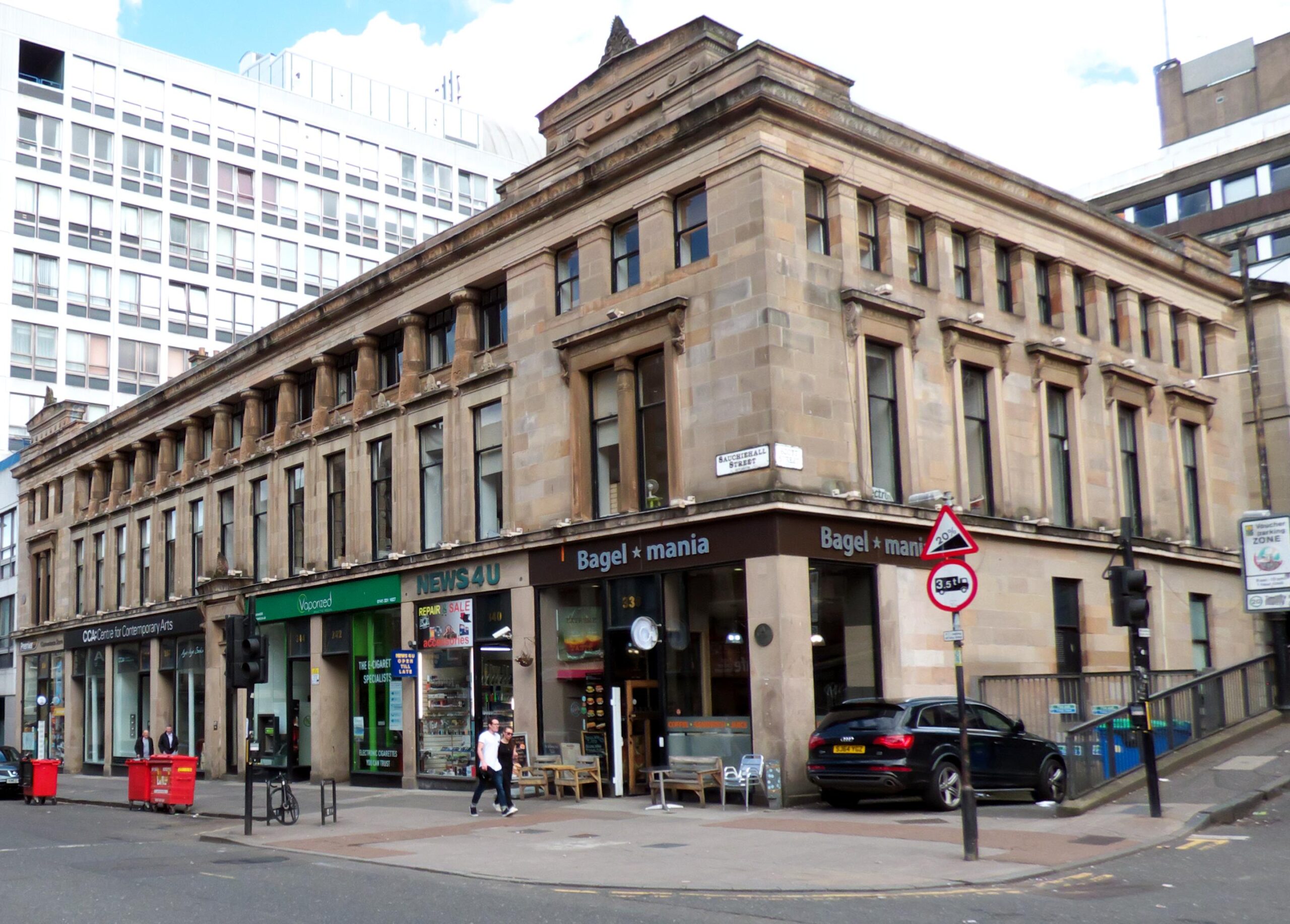
One of the most sobering topics in this episode is the recent closure of the Centre for Contemporary Arts (CCA) in Glasgow. As a cornerstone of the Scottish arts ecosystem since 1992, its entry into liquidation in early 2026 has sent ripples through the creative community.
- The Loss: It’s not just a building; it’s a loss of critical infrastructure for experimental work and international exchange.
- The Impact: Dozens of staff members and countless freelance collaborators have been left in a vulnerable position.
- The Bigger Picture: This closure highlights the fragility of non-profit arts organizations facing rising operational costs and shifting funding priorities.
Ian reflected on his experience with the Centre for Sustainable Practice in the Arts, noting that the “prove your viability” narrative often overlooks the essential services these organizations provide to the field.
Building a Resilient Future: Future 13
In response to these challenges, we’re hard at work on our non-profit SCIO, Future 13. Our goal is to create a sustainable support structure that helps artists navigate the complexities of festival production without the “gatekeeping” often found in traditional funding models.
“We want to design organizations that support artists while remaining financially and structurally resilient—moving from isolated institutions to connected networks.” — Vanesa
March Must-Sees in Scotland
If you’re in Edinburgh or Dundee this month, there is still plenty of incredible art to catch! Here are our top picks:
| Venue | Show/Exhibition | Dates |
| Festival Theatre | Death on the Nile | 25th – 28th March |
| Studio Theatre | A Brief History of Neurodivergence | Until 27th March |
| Summerhall | Aphrodite Rogue | 27th – 28th March |
| Dundee Contemporary Arts | We Contain Multitudes | Until 26th April |
Export to Sheets
Vanesa recently visited DCA for the We Contain Multitudes exhibition, a “quietly political” showcase of disabled artists exploring identity and belonging. Be sure to check out the V-KIND Arts social channels for a visual tour of the gallery!
Climate Change Theatre Action: “Laila and the Wolf”
We closed the episode with a reading from the CCTA anthology: Laila and the Wolf by Hassan Abdulrazzak. This reimagining of Little Red Riding Hood through the lens of a climate-displaced wolf is a powerful parable about resource scarcity and the cycles of human-nature conflict.
As the ice bridges melt, the “Wolf” finds it harder to reach the mainland, leading to a surreal and thought-provoking shift in a classic tale.
What’s Next?
We are deep in the process of shaping the Venue 13 2026 programme. Over the next few episodes, we’ll be taking you behind the curtain to discuss:
- Programming decisions for international companies.
- The “all-inclusive” venue model (marketing, tech, and venue in one).
- Renewable energy possibilities for Fringe venues.
Listen to Episode 6 now on Apple Podcasts, Spotify, or at venue13.com/podcast.
CCTA Plays Featured:
Laila and the Wolf
by Hassan Abdulrazzak
Show Links
- Climate Change Theatre Action – https://www.climatechangetheatreaction.com/
- Ascension, a solar installation at Coachella – https://www.ianpgarrett.com/portfolio/ascension/
- vox lumen, a solar dance show – https://www.ianpgarrett.com/portfolio/vox-lumen/
- Glasgow’s troubled Centre for Contemporary Arts to permanently close – https://www.bbc.com/news/articles/c4g03l34498o
Transcript
Ian Hello and welcome back to podcast thirteen. I’m Ian.
Vanessa And I’m Vanessa. And it feels really good to say that again. Actually, it’s been a little while since our last episode and I am truly happy to be back.
Ian This is episode six, and we’re back at the recording studio with renowned energy.
Vanessa Venues, energy.
Ian And renewed energy.
Vanessa Do that one again.
Ian Yeah, I do want to do that one again. This is episode six, and we’re back at the recording studio with renewed energy and perhaps some conversation around renewable energy, all of which is here to be shared with you. And although we have been quiet for a hot minute, actually, I would say that here in Toronto, where you got an experience of it a few weeks ago, a very cold. We’ve been busy behind the scenes laying the groundwork for an amazing twenty twenty six season.
Vanessa Exactly. I actually, I did this a lot happened since the last time we were recording. I went to South America, I went to Canada and I. Campfire. Our team production show has been touring non-stop. There is just so much to tell you. And while audiences are enjoying the amazing shows and exhibitions currently happening in Scotland at the moment, artists are actually finishing their preparations for the fringe. Believe it or not, it’s happening. Scripts are being confirmed like venues are being secured. There’s all this anxiety of like, oh, does everyone have accommodation? Does everyone have a venue? It’s all happening currently in Scotland and it is incredible how a lot is happening, like behind the scenes and quite early in the year. So this is what we’re this is the energy we’re bringing in. It’s like a lot is happening and we want to share it with you.
Ian Yeah. Here at venue thirteen we’re deep in the process. We’re shaping the program for twenty twenty six. And over the coming episodes, we’ll be sharing more about the exciting shows we have in the pipeline.
Vanessa So we’re going to talk about programming decisions, working with artists, supporting several international companies and everything that goes into building a fringe venue from the ground up. And this is something that we’ve been talking about in previous episodes as well. If you haven’t checked them out before, I recommend you to go and have a look at them now. And we are quite an alternative venue where a different venue, we try to be an all inclusive venue and we do have like lots of layers like an onion. I think there are lots of layers to venue thirteen.
Ian Yes. And we’re going through the process of cooking it so it becomes like a delicious either crispy or like sweet. Like either way that you can go with the onion, there’s multiple onions. But really today the message is pretty simple. We’re back. First, we wanted to take a moment to talk about one of the stories that has really shaken the arts sector in Scotland recently. For listeners who may not be familiar with it, the centre for Contemporary Arts in Glasgow has been a cornerstone of the Scottish arts ecosystem for decades. The CCA was one of Scotland’s most important contemporary arts venues operating since nineteen ninety two and hosting exhibitions, performances, talks and community programs. So what happened there, Vanessa?
Vanessa So I, I heard it from multiple sources. Basically, I started my master’s this year and in arts, culture and festival management. And since being more immersed into this world, I was very lucky to be in touch with lots of people who were kind to share their experiences with the CCA. About the news as well. This is quite sad news for Scotland and this will all happen in the time that we were away. We didn’t want to come back without acknowledging this. That has happened, especially if we’re going to be talking about theatre and theatre within Scotland and the world. So what’s happened roughly, is that in the beginning of twenty twenty six, the organisation entered liquidation and permanently closed after failing to reach a sustainable financial position. Now there are people who have expressed the reasons behind this. There’s quite a few posts online about this, but just as a summary, all the programming was cancelled and the staff were informed that their employment had ended. This affected dozens and dozens of workers and collaborators. The building itself belongs to Creative Scotland, which had previously awarded the organization like a multi-year funding but suspended payments once they could not demonstrate a financial viability. This is also quite touchy subject because although basically there are many trains of thought on this. So you do have, you know, the merge of art in a commercial setting, but also not all art is is financially viable. Should art be financially viable? And these are very complex debate topics that, you know, that have been mentioned around in association with the closure of the CCA, know that respond from the sector has been quite strong, especially from the Scottish Artists Union. And did you have a look at that link to share with people what what they were saying about it? And if you have any thoughts on this as well, because I do feel. Like you have much more experience on running nonprofits yourself as well.
Ian Yeah, it, it touched pretty close to home. I mean, the union described the closure as a major loss for artists and cultural workers and the wider creative ecosystem in Scotland, which is I certainly agree with there. They, you know, stressed that institutions like the CCA are not just venues, but they’re critical infrastructure for artistic practice and collaboration and public dialogue. It really highlights concerns about governance and transparency and financial oversight with cultural organization. And, you know, while there are these calls for greater accountability and sort of frameworks to protect arts organizations from their workers, I can speak from experience that, you know, this is not always forthcoming. One of my many hats that I wear is running a non-profit in Canada called the centre for Sustainable Practice in the Arts, and I’ve been part of it in a variety of forms since two thousand and eight. And since twenty twenty, we have been running a fairly large program. It really had us increase our staff. And then there’s a lot of things around the funding climate. It was always sort of tight as we were trying to get this program to be sustainable, presenting multiple options for it. But it’s ultimately up to a combination of the sector and especially funders, of whether or not they want certain types of infrastructure to exist. And sometimes the narrative changes from like, we’re really excited about this type of thing. We really want to see this to support artists, to support this agenda or this priority, the strategy that we have with how we see the sector going. But then sometimes that shifts for a variety of reasons, right? It sometimes happens because of financial reasons. There’s shifts in politics, there’s shifts in priorities, things on the ground, change that happened with us. So the program, which was around carbon emissions, wasn’t quite what people wanted to do. So it became not a question of like, how do we get this started? And turned into a question of like, how are you going to prove that you’re financially viable to be able to move forward and do this. And it became what a lot of arts organizations, especially those who are providing services to the field experience, which is like prove to us that you should exist for this because there’s scarce resources for it. So we had to shut down that program starting in the middle of last year. And the, the let go of our staff that were associated with that program in twenty twenty five, sort of abruptly, like abruptly. And then we thought that the program was going to be going longer. We actually attempted as best as possible to keep stuff working and keep people taking care of as much as possible, because it’s hard out there for it. But we’re seeing this in other places. Just when you mentioned, oh, the closure of CCA, I was like, why is it making news that California College of the Arts is changing and shutting down like it was in a very similar one? So it’s like similar acronyms coming across. We’ve seen that like right around the sort of scarcity where as a lot of public funds might be contracting or be reallocated to different priorities. Those sort of supports aren’t there? So back in where the the union is. You know, they emphasize that artists and cultural workers are often the most vulnerable when these institutions collapse, particularly freelancers and early career practitioners who haven’t built anything as a safety net for where they’re getting don’t have those benefits or going from gig to gig. So losing such a large, like cornerstone of the arts ecosystem in a relatively small jurisdiction as Scotland or, you know, especially Glasgow based artists as well, like having this gone leaves a really big like vacuum, like what’s going to fill that? What are the opportunities for artists moving forward? So, you know, you don’t just have the like thirty, forty staff members who are affected by the closure. There were concerns about how those redundancies were handled. And then in addition to that, you have all of the artists who might be, you know, doing gig work. there might have an exhibition there and get paid that way. Or it might be, you know, like arts installers tend to be people who have lots of hats on and they’re familiar with the art side of things. And then also do this freelance work too. So you have those freelance contract workers and seasonal workers that are also often associated with a large arts institution that are also going to be affected. That’s sort of become a little invisible here as well, so that you don’t know the full impact. It’s not just what’s on the balance sheet and forecasted budgets.
Vanessa No, absolutely. I mean, when a place like CCA disappears, everyone wonders, you know what this actually mean for the artists on the ground, you know? Yes. It’s a key. Like you said, it’s a key platform for experimental work, emerging work with uni. We did a visit to tramway, for example, and to, you know, what they do as an organization, how do they try to vary their programming so they can give as much room and space and, you know, they can actually host festivals and new work and everything. But at the same time, it was very clear that, you know, they are, you know, one very large and very well supported, but, you know, large one space. And the needs are so much more of, of, of the artists, you know, that they, they want to, to bring their work to the light. Then you have, you know, yeah. This comes as no fewer spaces for, for shows, for exhibitions, for performances, for actually developing work. It reduces opportunities for collaboration. The international exchange. So a wider signal about the, the fragility of cultural infrastructure that I do feel like the CCA was like an entity. It no longer been there in the speaks volume to a micro level, but also to a macro level on the situation of the world and the arts funding in general. So this connects to something that we’ve been talking before this podcast. So the sustainability of the arts organizations Themselves. I know you’ve touched a few points there with your experience in the CSPA there. Do you want to add any more thoughts on this matter?
Ian Funding is unstable like it. It changes from year to year. It’s very hard to get operational funding to begin with. And then multi-year operational funding. And you’re doing large applications for it to just like know that you have funding for three years and there’s not a lot of other places to do it. There’s a reason that like non-profit or charitable structures exist and they aren’t corporations is because there are important things that we want in the world that aren’t necessarily going to work under, you know, market conditions. And even then, you know, there’s lots of conversations that have been part of over the course of my career of like, let’s get arts organizations to act more like businesses. Aside from the fact that like, they don’t sell something in the same way. And it’s a little less tangible in that, you know, in Canada, I think it’s seventy percent of new businesses fail within the first few years for it. So there’s not a lot of systems set up for us to think about what it means when one of these organizations is failing, especially when it’s doing a lot of service in a field and there’s not a lot of support, like for when you get into that position because it’s like, oh, you know, there’s a stigma that like, sometimes programs don’t work. And sometimes we do keep programs or organizations running because we feel like we have to. And closing something is identified as a failure, even if it’s outlived its usefulness. That’s not the case here. But because of that, a lot of our systems are not set up for like long term support. And now you pair this with like really steeply rising operational costs. You know, materials have gone up, we’ve seen the costs around the fringe go up significantly since pre-pandemic times like housing has quadrupled in price, venue expenses have all gone up. I mean, that’s one of the reasons that we are trying to operate the way that we are. Venue thirteen. It says we’re trying to make sure that there’s a very transparent cap on what you’re going to be spending for a lot of things, because it’s very easy, especially for someone who’s coming in new, not to know all the little things that they’re going to be hit with for it. And all of those things have been going up in price.
Vanessa I think for the audience that doesn’t know yet, and I have a venue in twenty thirteen, and we want it to basically remove these barriers. So we spoke to we did a bit of traveling with our show, our production AI campfire. We went to many places in the world and we told them about the fringe and people know about the fringe. They are aware. You know, it is the biggest arts festival in the world. But we were like, have you thought of bringing your show to the fringe? And they just feel like it’s too much. They’re like, I wouldn’t even know where to start. And they genuinely don’t know where to start. And it’s not surprising because there’s so many again, so many things have taken to be taken into consideration. So at when you’re thirteen, we just decided to sit down, do the hard work and put one price and say, we will do everything as much as we can within the possibilities of within that price, apart from travel and accommodation, so that you know that the people that were working with this year have all expressed that they’re quite happy with the model, the fact that it’s quite stress free model and that we are taking care of everything. And I do hope that more venues are able to do this in the future. So this is still, you know, very new, very new for us, very new for the fringe itself. But I do feel like, especially for first first covers and international artists, to have someone that has your production, your tech, your, you know, your marketing has your venue already, it’s all there. It’s a massive like stress off your shoulders and it actually is increasing the international sales coming in.
Ian So it doesn’t say that. It’s also interesting because it’s a different model and it’s inclusive of these things and people just aren’t used to that. A lot of people are like, you’re so, you know, our concern that it’s like, oh, it looks expensive when we put it together. And so, you know, we have and anybody who’s listening who’s interested in taking a look at it, like, right, you know, we’re not gatekeeping this information. I, through my producing work, have put together like a fringe comparison where I took like, what I know of venues or what they publicly put out there and sort of what like their revenue splits are and the guarantees are. And then saying like, okay, now you add on your promotional expenses, your production expenses. And then once you add that up, you can compare the venues. So you’re actually comparing apples to apples as opposed to being like, well, this one’s going to do a percentage of box office. This one’s doing a flat fee. This one includes this, this one’s doing this amount of marketing, this one’s not doing this amount of marketing, etc. and saying like, okay, all of ours that that’s not going to change for those things. You’ve got your travel and accommodations separate and, but now let’s take a look at like, yes, if you are an individual artist who’s like, come to the fringe before you want to do the legwork, you have the, you know, press contacts already or familiar doing that work. You love flying and getting out there and promoting your show and all of those different things you want to do, like be a one person band to get your show up. You can do it in a really cost effective way where the venue space is your main expense for it. Keep production costs low, but once you start growing beyond that, it’s really difficult and a lot of things are not necessarily visible, and we’re trying to make it so people can take advantage of our experience. Right. I know you’ve you’ve been a resident of Edinburgh and going to the fringe involved in things for twenty years. I’ve been I’ve been coming to the fringe since two thousand and eight with shows for it. So like take advantage. And I took this one back to you actually is wondering if you wanted to briefly talk about what we’re trying to do with future thirteen.
Vanessa So yes.
Vanessa I don’t know why I froze them.
Vanessa Yeah.
Vanessa I think it’s important to talk about funding. And basically I’ve. I’m not new to the world of funding, so I my experience from a past life was on startups, on tech, always asking for funding for new tech startups and looking for funding available. And then I moved into the arts and now we are, you know, again, we’re asking for funding, we’re writing grants, and we are looking for collaborations and partnerships. And one thing that I noticed before going into what we are doing with feature thirteen is that maybe I’m noticing this more because I am learning more, you know, with uni and looking about funders and applications is that yes, there are ways to apply for funding, but now I’m coming across more and more this funding organizations that you can only get funding by introduction. And I wanted to ask you about that. And I made a note to bring this up and to say, what is your opinion on those foundations? Because I have always done corporate relations, I’ve always done media, I’ve always done PR and I do feel like I am I am very suited to that because I like to know and I like to know people. I like to know what people do. But then encountering this, this foundations that they keep this money and they said, we’re only going to give you money. So applications are closed. You cannot apply. It’s always only by recommendation. How how is the population able to access that money? And I do feel like this is some barriers again, to be you know, it’s like now you cannot apply as an individual. You have to apply as an organization. Even if you are an organization, you need to know someone that will have to recommend you. What has been your experience with that?
Ian Interesting. I’ll put it that way. The I mean, this has been one of the really interesting parts about working at the intersection of arts and sustainability is that I’ve spoken to many people at foundations, uh, and like with funders, private funders, primarily, like I get to the public side of things and how that factors into it in a moment. But we’re spoken to a lot of people who have worked with or worked at private foundations and, and funding entities. And, you know, they, they fund art and they will fund environmental work and they’ll be like, what about the intersection of these two things and how they’re like, oh, we don’t know. So there’s like not a lot of crossover. They tend to be very specific. You know, I understand it to the extent that they are like, they have a goal when they were set up for what these funds are for, and they might have larger impact and they might have flexibility in places where you can push against the edges, but they have their agendas, they have their priorities and things like that. And that has to do with how the money was set up, whether it’s endowed or however it’s set up, is that there are rules around that. And so so I sort of get it from there, but it becomes really hard, especially if there’s not like new organizations showing up. We don’t see a lot of people setting up new foundations like this is sort of like from an era of support. So we see more focus on fewer funders who become sort of outsized, and they sort of then have a bit of outsized sway. And then sort of what happens, because the only work that happens is the work that gets funded. So if you have specific ideas of what you want to have funded, that’s what you’re going to see out there. So it’s, it’s sort of inherently conservative. And you see this too with the public funders. I said, I come back to the public funder side of it too. But a public funders, you know, when you talk to the staff at any of these places, like they want to fund things and they will oftentimes talk to you about like, how could you fit? But they’re bound by different forms of governance, whether or not that’s private or public, you know, and different types of oversight and rules by which they can move this money around. And because there’s generally not a lot of trust for nonprofits because they’re not profitable, so people don’t seem to trust them with money because their, their, their job is to spend it, but not make it so like, oh, you’re just losing money. Like there’s so much accountability and there’s so many rules put into how you can use it and the type of reporting that you need to do, which is really burdensome. I mean, that’s a barrier for a lot of people getting involved too, is that you have a lot of admin that you’re agreeing to do once you move beyond a certain size and you’re not a star like an artist, an individual artist, or a small group that gets picked up by the right person for things if you want to sustain that. So you end up now in this situation where you have a lot of artists, groups, organizations who are producing, who are great producers, have great ideas, might be pushing the field forward, doing really experimental things, but they’re relying on fewer and fewer sources of income. Things are becoming more expensive. Ticket prices are covering less, contracts are covering less, there’s fewer ways to tour, it’s more expensive to tour. There’s other considerations of touring, like global unrest makes it hard to tour work around. We were in Sharjah in October and now we can’t get fired. Yeah, just got accepted into a film festival that’s going to be in Dubai in a couple of months. And we’re like, well, we can’t go to that because of conflict in the Middle East right now. In addition to the environment or parts of it.
Vanessa It wasn’t quite what I was going for was going for when there is this model that everyone can apply for, what benefit other than just gatekeeping? Sorry for the lack of better term is there for realization to say we do not have open applications, you have to come recommend it. What is the benefit?
Ian What’s the benefit is that their capacity and limitations of what they’re doing. You know, in being part of various evaluation processes, like where we’re reviewing grants and reviewing applications, most of the time, the most of the time it’s not an issue of do we have enough quality applications? It’s how do we say no to all the quality applications that we’re getting? You’re just looking for reasons why you’re choosing one really great thing over another really great thing. So in a way, it’s gatekeeping in that way that it’s like, we can’t, we don’t have enough for everybody who has need. Yeah. But I understand the.
Vanessa Law fair, like at least we can all apply for it.
Ian Yeah. And, and I think one of the things that I’ve seen, and I know this has been happening in Canada is we have Canadian funding. Uh, well, no, the Canadian funders have heard me say this out loud. I’m a, I feel like I’m in a wonderfully privileged position that allows me to speak kind of freely in there because I’m not I’m dependent on them for program funding and project funding, but not like subsistence. I’m very much in a privileged position for that because my faculty work. So one of the things that happens there, because they’ve wanted to like shift to make it more inclusive too, and this is on the public funding side, but so but there’s still barriers there too, like the length of time, track record, etc.. And like, how do you get there? It’s like getting your first job. How do you get a job if you need experience and if you need the job to get experience, like it’s a catch twenty two where eventually, hopefully something matches. But in that situation, when you do start opening up it again, you have this battle of like, there are other organizations that might also be large and, and powerful and like what I had a had. Well, I’m trying to position my relation to this person. I had someone above me in the field, like at an organization who was like, when we’re talking about programs and we’re talking about we have limited budget, it’s not always about what we’re taking away, but if we want to do stuff and we are hitting limits, we have to decide also what we’re not going to do. And so it can make some of these organizations, especially because they have priorities, like some, they will say that their priorities are funding artists and they have all these funds for artists, and then they’ll have that. But it’s also like, you know, they might be like, we’re for opera. Operas are big. They’re international. When it comes to public funders, especially national ones, it can be about the export of cultural identity. And so like we have to meet those goals, soft diplomacy goals at the same time that we want to bring in equity and inclusion for it. And so we have people who have historically been excluded, and we’re going to open it up so that they have access to it. But now we’re going to get into a fight with the people who have been used to the very cushy support, more cushy selling. It very cushy is is very editorial on that because they will argue the other way for it. But you’ll have people who have been long supported and what do you take away? And then you get a lot of people who are caught in the middle who might have been really good at getting grants and have a good track record. But because, you know, they’ve had a good track record, they’re like, okay, you’ve gotten stuff. We’re going to give some other people a turn and then you’ll be like, but it’s not something where it’s like, that sort of attitude perpetuates this idea that like, oh, they’ve figured out how to do everything else. It’s like, oh, but now what do I do? So I know I’m talking to a lot of arts organizations who are like, as things shift, not because just because there’s less and there’s more competition, but shifting things. And I can’t be mad about it, but it means that now I’m figuring out how to do what I did and sustain what I’m doing with less. And I understand why it’s happening and I support why it’s happening, but I don’t know what how to absorb that.
Vanessa Yeah. So it’s like it’s an ongoing dilemma. Well, you know what this has been. It went from a sad piece of news from the CTA to a very in-depth conversation about funding public and private funding. And you did mention that to the audience that, you know, we have been accepted for a non-profit ourselves. It’s going to be future thirteen. It’s we are still finishing up what we’re going to do first as Anjali, we need to actually develop some building blocks for it. And I believe that this is where we’re going to go for. And I think the overall aim is always going to be to support artists because that’s, you know, that is the goal. We’re trying to try to support artists and still remain financially and structurally resilient. We’re going to try and obviously advocate for pure transparency and try to find ways to enhance education and facilitate new work to be created for the fringe. I believe that’s, in a nutshell, what we want to do with with future thirteen. We would like to promote accessibility, sustainability, and we also would like to in this world, especially, you know, wrapping up again, from what Ian said, that AI campfire, our production got invited to a film festival in Dubai, and we’re not going to go to Dubai because the world is not great just now. We want to really develop this idea that artists should be prepared to have some sort of a hybrid or, you know, digital plan be, so they can actually make sure that the work gets to everywhere, gets to the right audience and where it needs to get to. Even if they can’t themselves. Do you want to briefly touch onto anything else we’re trying to achieve with the future? Thirteen? Do you.
Ian Know? I mean, it’s really about, you know, taking the approach that we’ve sort of designed around how we want our venue to run and saying like, okay, if other people want to do this, if other people are interested in this way of working outside of, you know, sort of the idea is how do we then create the tools so that somebody could potentially replicate some aspect of it that is successful or they’re interested in? So trying to be very transparent about how we’re doing things, about how we’re trying to think about things, which is, you know, where the, the future in the, the thirteen universe that we’re creating comes from. It’s like the future oriented is like, what is the, what is the, what is the world we’d like to, what is the, what is the art sector that we’d like to see? We’re trying to put it into practice with venue thirteen, and we’re trying to help other people put it into practice with future thirteen as a charity.
Vanessa Well said.
Ian So one of the big conversations we want to keep exploring this year is sustainability in the arts. At the frames, we see thousands of productions appear for a single month. The scale raises some really big questions. How do we think about sustainability in that? We have to look at energy and resource consumption during the festival, the way that the population of Edinburgh increases so dramatically it doubles in size as a city. Over that time, we have been exploring renewable energy possibilities for venues, including different types of solar, seeing how we can generate some of our on site electricity. Part of that is practical information. It is. I have a lot of experience with that. I’ll put some links into the show notes with a couple of projects that I’ve been able to do with solar over the course of my career, including at Coachella and with a dance production here in Toronto. And, you know, the academic hat I wear is really focused on sustainability and sonography or eco sonography and lighter production mode. And so, yeah, I think that’s something that’s important to us and the way that we’re working. And I wonder if. Vanessa, there are some of those aspects that are starting to crop up as, as we’re planning for the festival. We are we’re already identified as the vegan venue. We’ve had a lot of climate programming. That’s sort of something that like they feel a little bit of responsibility for. How are we doing that this year?
Vanessa Yeah, I think it’s so we are trying to understand of what we want to keep moving forward and what things can be improved or exchanged or changed in general. Being the vegan venue was great, a great feeling. We’ve had people visiting and supporting the venue from all parts of Scotland. We’ve had we had wonderful people who made, you know, went out of their way to come to the venue to have some food to sit in the beautiful garden. Sit in the beanbags and enjoy the fact that we were able to be a vegan. Menu. The Climate Change Theatre Action program that we have last year was really interesting. It brought lots of people that care. It got really good reviews. It got it got reviews that said, you know, everything that we we read, all the plays that were read from them were very original and were very moving. Like you sat through a play every day, you didn’t know what you were going to get. And each play left you thinking that you’re like, this. This really affects me, this, I need to do something about this. And then since then, we’ve been, we’ve created the podcast and we’ve been reading a play at every episode and we will continue to do so because there are so many plays and they’re so short. I mean, they’re really worth the read ten, fifteen minutes. And then it really that gets you thinking for the rest of the day. You’re like that. That play really, really touched me. We actually read one when we were at world stage. Design is actually is in in one of I think it was episode three. We were in Sharjah. I had been on a long trip and I’ve not seen my cat for a while. And we read that play about the cat.
Ian The cat?
Vanessa Yeah, about the guy who went to a different universe to look for, like a better life for his cat or for humanity. But he kind of knew that he wasn’t going to come back. And you could see the play from both aspects, from the guy in the space wondering if the cat was alive, and then the cat missing the guy from space. I could not sit straight through that play. I was in tears reading that play thinking, oh my God, where’s my cat? Why am I in Sharjah? This is rubbish. I’m trying to make a better world for the arts on the other side of the world. And ultimately my cat’s thinking, where is she? That was awful. My cat’s right here sitting in the couch. Well, alive. But yeah, another place definitely make you think. And we do want to continue To have the essence of what the climate action stands for, which is to take action, to take responsibility and as much as we can. So what we’re going to try and do this year is to look at every aspect of what we can change. We will change, or at least we’ll start having the conversations to consider changing them. Change takes time. It takes money. Sometimes it takes a lot of conversations with the council. But you know, we’re happy to have those conversations and start exploring, see what can we how far can we go? And that will also take part on. We know when we do feature thirteen, which is our annual kind of presence, you know, away from the fringe. And when we create workshops, when we create, you know, tools, we’re going to try and embed that into there. How much can artists push from their side? How much can venues be pushed or pushed from their sides? And so that, you know, working together, we can actually, you know, get to a middle ground and hopefully be more sustainable in general.
Ian There’s a lot about what we’re going to do that we’ve been able to talk about in this episode. While we’re talking about the future, there’s also a lot happening right now in Scotland. If you’re in Edinburgh or planning a visit, there are some great performances and exhibitions that you can still check out this month as we’ve still got half of March. Vanessa, what type of things are you looking forward?
Vanessa Yes. So starting strong with the Festival Theatre, I’m actually really excited. You can tell I’m excited about this. It’s Agatha Christie’s Death on the Nile. It’s in the Festival Theatre. You can still catch it until the twenty eighth. So you’ve got ten days. It’s the eighteenth today. I’m not sure when we’re gonna edit this, but we’re going to get it out as soon as possible. So you at least have a few days to still catch the death on the Nile by Agatha Christie at the Festival Theatre. So it’s obviously a thrilling new stage adaptation by Ken Ludwig, as directed by Lucy Bailey. And it follows Hercule Poirot investigating the murder during this luxurious Nile cruise is starring Mark Hatfield as Poirot and Glynis Barber and Bob Barrett. Now, are you a fan of whodunnit?
Ian I do love a good whodunnit. I know when we were talking about this, we also both mentioned that our favorite, our favorite show. So as I was going to say, cartoons, our favorite show as children was Inspector Gadget. But we then identified that we were imagining different things. I was imagining the cartoon you’re talking about.
Vanessa So. Right. For anyone who I know this. So I grew up in South America and I remember I, I could make this up, I guess, but I remember being young and watching TV and it was a fill, like a series that it would come periodically in the TV. So and it was Inspector Gadget, but it wasn’t a cartoon. And now I’ve googled it, I promise you, I googled this, I tried to find it and all I could find was the cartoon. I even Google, sort of like South American version or South American adaptation. But I swear to God, there was and it was a series and it was a guy, as you know, with his with his trench coat, and he was Inspector Gadget and now I can’t. And that was my favorite as a child. And then cartoon wise, I really liked The Adventures of Tintin. I love Scooby Doo. I was like, absolutely love Scooby-Doo. So yeah, I did love it. Who done it?
Ian My little ADHD brain neurodivergent brain is sad that I can’t be in town, because also at the Studio Theatre until the twenty seventh, there’s going to be a brief history of Neurodivergence, right? It’s a one woman show by Fiona Moon that’s playing at the Studio Theatre and it’s. She wrote and performed it and it said. Designed to bust misconceptions about Neurodivergence and highlight the experience of living with one hundred mile an hour minds, which is my experience in life. I have that lived experience. So it’s an embodied exploration that mixes personal autobiography with disability history. Audience participation. Facts. Comedy. That also sounds like my type of thing, especially because I’m trying to understand my brain. So it’s sort of a whodunnit of that I have of my own for it. So coming from this neurodiverse team, I think we can both sort of agree that it sounds like that one’s going to be.
Vanessa Yeah. No, absolutely. I mean, I terribly undiagnosed and it was really funny because I did ask a practitioner once I was like, well, do you think it’s probably because I’m diagnosed? I’m probably I probably don’t don’t have it. Right. She just laughed at my face. She goes, yeah, so the NHS. Anyways, yeah, I just think the whodunit situation applies to a lot of things because in a way, that’s why when I was younger, I was obsessed with house, like doctor House, and essentially that is a whodunnit for the illnesses and nobody would know what the illness was. And then the guy would come in like massive entrance and be like, did you eat Coco Pops? And did you smoke a blunt look under his left finger and then, oh my God, is this disease. And he was just so random. But that’s why I like, how’s it essentially so whodunit. But at Summerhall we have Afrodite Roeg, which sounds like a really much more, I don’t know, contemporary adaptation. So it’s a comedy about love and certain features and the importance of trying again, no matter how pointless it may seem. A review from Strangetown says that for flatmates are trying to make to do us like hearts. And there they have broken hearts and the climate changes disrupts hope of a faraway escape. And they have a stingy little flat and everything falls apart. But someone or something has warmed its way into each of their lives. It’s kind of like there’s this mysterious element there and someone is messing everything up, and only one of them has noticed. So that seems like a great a great show not to be missed. That one is an ensemble, the twenty seventh and twenty eighth. So to me, this kind of sounds like a youth coming of age feel good kind of theater. So we all need that now and again. And especially now with so much going on.
Ian Yeah. But you’re you have the benefit of being local to too. But I know that you just went to Dundee and to the Dundee Contemporary Arts Centre and you saw an exhibition called We Contain Multitudes, which if people are listening to this when we get it out, you know, we’ve just mentioned performances that are just running through the end of this month, but this is running through the end of next month through April twenty six, and it’s free. What was that like?
Vanessa That was good. That was another really nice trip that I did with uni. It was at the we went to DCA. We had a really nice chat with the people that run the DCA, and we got to learn all the ins and outs of how that organization works. And then we went downstairs. We were having a big meeting upstairs, window stairs to the exhibition. It’s a free exhibition and it’s sort of features the work of disabled artists. Andrew Gannon, Nina Kalu, Daisy Lafarge and Joe Lockhart. So this exhibition explores the themes of identity within one’s body and closure and support through sort of like it uses textiles, photography, sculpture, and it’s kind of a they describe it as a quiet political work, so explores how each of them. Belonging means something different. And it leads to these to this individual challenge that they all face. But these challenges, they find shelter in the sort of like collective work that each artist is creating whilst living with disability. So Nina Kahlo is actually a Turner Prize winning artist. And the. So what she did was she did a 2D sort of like printings of her work, and then she did adaptations of this in 3D into the gallery. The exhibition invites visitors to consider how individual identities intersect with larger social narratives, and to reflect on how visual art can connect with personal and individual stories.
Ian Yeah. You’ve been doing like when you’ve been going to see things because you also have separate from everything that we’re doing. On the subject of like the number of things that either of us do, you’ve got v kind arts and theater, which is, you know, you do PR and marketing and consultation on that for things in general outside of the framework of, of our collaborations too. But you’ve got a lot of good content that you’ve been doing because you go see a lot of things that you then post on social, or are you going to be doing one for, for the We Contain Multitudes exhibition?
Vanessa Yeah, yeah, I think so. I think what I’m going to do is every time I do an exhibition that we discuss on the podcast, I will try to link the the be kind clip. So sometimes it’s a longer clip, sometimes it’s just more like a shorter clip just for you to get an idea of what it is. Sometimes I actually do describe the exhibition, but there are a few. Yeah, I went to the one in London, a few of them sometimes around the world as well. But I feel like if it’s something in Scotland that you still have time to see, and we are talking about it in the podcast, I’ll definitely make sure that we can link that so that people get a better idea of what to expect when they they get to the exhibition.
Ian That’s excellent. For this episode’s KTA play, we are reading Lila Pines for the Wolf by Hassan Abdulrazzak. Hassan says that this play was inspired by an article entitled Climate Change is Burning a Wolf Pack’s Last Bridge to Survival by Taylor Hill. This year’s theme, Lighting the Way, encouraged the inclusion of animals that might be inspirational in the fight for a sustainable future. So I thought it would be appropriate to the cellar of little Red Riding Hood from the perspective of the maligned Wolf, who was struggling to survive because of climate change. In Arabic culture, the story of little Red Riding Hood is known as Ila and the Wolf or Lila Wang theme. I will be playing the Wolf and Leila. Grandma and mother will be played by Vanessa. Scene one. This is how the story goes, mother.
Vanessa Leila, your grandmother isn’t well. I wanted to take this cake and bottle of wine to her. Oh, and Leila, don’t step off the path. I’ll leave things in the forest as you find them. Leila. Yes, mother. I’ll do everything right. Don’t worry.
Ian But Leila was a liar. She not only veered off the path, she began to pluck the flowers and plants of the forest, as she always did. This is where I enter the story. Good morning, little Red Riding Hood.
Vanessa Leila, don’t call me that wolf. I hate it when you call me that. My name is Leila.
Ian Good morning. Leila. And where are you going so early in this morning?
Vanessa To Granny’s house.
Ian And what’s in that basket of yours, Leila? Drinks from the bottle of wine.
Vanessa Dryness ill. My stupid mother thought she could cure her with cake.
Ian And what’s in that bottle you’re drinking?
Vanessa Pretty awesome Malbec wasted on the old hag, hand, if you ask me. Want a sip?
Ian I wouldn’t mind a drop. I live on the island over there. It’s where I was born. I crossed what was left of the frozen water that connects the island to the mainland. Here. Let me tell you, it’s getting harder and harder to cross because of climate.
Vanessa Is this a sob story? Because I really don’t have time for a sob story.
Ian I don’t suppose you could spare some of that.
Vanessa Not a chance.
Ian Are you heading to your grandmother’s house? I could walk with you.
Vanessa Not before I pick some more flowers.
Ian For your grandmother. Oh.
Vanessa Hell no. They’re for me.
Ian And so I leave Leila. She sets about clearing more of the forest, and I go to her grandma’s house. I knock on the door.
Vanessa Grandma? Who’s there?
Ian A weary traveler. Grandma opens the door. She’s got a gun. I didn’t mean to scare you. I was just wondering if you’ve got any scraps I could eat. It’s getting harder and harder to get here from my island. I’m famished.
Vanessa I’ve got nothing for a scrawny ass wolf except this bullet.
Ian She fires the gun, which is old and rusty. The recoil knocks her off her feet. Her head smashes against the bed frame. She is as dead as a doornail. I’m panicking. Even though I had nothing to do with her death. Any minute Lila will be here. I don’t want her to be traumatized by the sight of her grandmother’s cracked head. So I try to hide grandma under the bed. She’s too big in the cupboard. It’s full of clothes and piles and piles and piles of plastic bags. I’ve got to hide her corpse before Lila gets here. What do I do? There’s only one thing for it. And this is where it gets weird. I eat grandma and I put Lila.
Vanessa Hello, grandma. Hello. Why was the door open?
Ian It must have been the wind.
Vanessa Oh, grandma. What big ears you’ve got.
Ian All the better to hear you with.
Vanessa What big eyes you’ve got.
Ian All the better to see you with.
Vanessa What big hands you’ve got.
Ian All the better to hug you with.
Vanessa Oh, grandma, what a great, grim, ghastly mouth you’ve got!
Ian All the better to kiss you with.
Ian And that’s where she takes out her Forty four Magnum and blows my brain.
Vanessa Scene two mother Lila, your grandmother isn’t well. Take this cake and bottle of wine to her. Lila. Yes, mother.
Ian Good morning. Lila. And where are you going so early this morning?
Vanessa To Granny’s house.
Ian And what’s in that bottle you’re drinking?
Vanessa Want a sip?
Ian Yes, please. I’m famished. It’s getting hotter every year. Which means when the water freezes, it forms a much thinner ice sheet than in the past. It makes crossing from the island to the mainland tricky. You have to watch your step. It’s exhausting.
Vanessa Boarding. I’m off to pick some flowers.
Ian You’ve got to stop destroying the flowers. You’ve got to stop destroying the forest. That’s what’s causing the ice to melt.
Vanessa Let me tell you. I make some serious catching out of these flowers.
Ian At least give me a piece of the cake, please. I go to grandma.
Vanessa Grandma? Who’s there?
Ian A weary traveler. Grandma opens the door before she has the chance to point her gun at me. I drop dead from hunger.
Vanessa Lila! Grandma! Grandma. Hello, darling. Did you bring me cake and wine? Leila, did you kill the wolf, grandma? I didn’t touch him. I swear. He just dropped dead. Leila, what are we going to do now? He’s supposed to eat you, and then I kill him. And then the cycle starts again. Grandma. Well, he’s dead anyway. Maybe if we wait a little. Leila, it doesn’t work like that. He has to be alive when I shoot him in the head. Then everything goes back to the start. Damn it, damn it, damn it! This means I’m stuck here forever, grandma. Then shoot me. What should me and free yourself? I can’t shoot you. You’re my grandma. You call me old hag behind my back. You think I don’t know that? Leila, I call you that because I love you, you stupid old thing. Shoot me! No! Shoot me! No! Grandma! It’s the only way to save yourself, Leila.
Ian And that’s when Leila takes out her forty four magnum and blows grandma’s brains out. Scene three.
Vanessa Mother. Lila, your grandmother isn’t well. You’ve got to go and kill her. Lila. Yes, mother.
Ian Lila likes the flowers, as usual, but this time I don’t show up because the water between the island and the mainland never froze. So she stays stuck in the forest, which is no longer forest. Just a clearing. She plucks and plucks and plucks until there is nothing left.
Vanessa Lila to the audience. The last thing I hear is a cry from the island. It’s the wolf.
Ian And the flare.
Vanessa That was weird. What did you think about that?
Ian Ian, I enjoy, I always enjoy weird, too. I mean, the parable is very clear for it. It’s also interesting, I think, in the context of things happening right now with everything going on. Um. Hassan Abdulrazzak, the playwright, award winning writer. He’s an Iraqi origin. He has other, other things. There’s. And here I am now at the Arcola Theatre. So some of our UK audience might have seen that it’s there. And Baghdad Wedding, which is at Soho Theatre in two thousand and seven. It’s been around in BI and Sydney, and he had this script for A Night of Grimm, which won the unsolicited script short film Grant Me Too. He’s, you know, a member, a fellow of the Royal Society of Literature. So a lot of his work ends up dealing with these these sort of like parables of these, these these conflicts, these juxtapositions of culture. And in this climate context, I think it’s, it’s interesting to look at this and resource use. And, you know, it’s interesting, I have a, I have a friend who we’ve talked a lot about. He studied fairy tales and how they’ve changed purpose over time as going from like cautionary tales about going to the forest, into things about the conflict between humans and nature and turning into different things. Not entirely unlike we’re doing with AI Campfire. So it feels fitting at this time and fitting with the type of work that we’re doing. What do you think?
Vanessa So I’m just trying to unpack the three scenes. So the first scene that the wolf is over because he was able to cross.
Ian Yeah.
Vanessa And then.
Ian On the.
Vanessa But he was hungry. Then he eats the grandmother boom, and it happens again. And then they’re stuck in this kind of like revolving thing. And on the second one, he manages to cross, but he’s more hungry and he dies hungry.
Ian Harder and harder. He doesn’t make it all the way to grandma.
Vanessa And then on the third one, he doesn’t even cross over because.
Ian He can’t get there.
Vanessa He can’t get there.
Ian Yeah, yeah.
Vanessa Crazy. There you go. This one’s always making you think.
Ian Well, I think we made it to the end of another episode. Yeah. Does it feel good to be back?
Vanessa I feel very good to be back. I feel like these short plays, you know, continue to bring together voices from around the world. And we want to continue doing that. They’re responding creatively to the climate crisis. That was a very creative way. It was very unexpected. I did not where that was going to go because I hadn’t read it before. The reason why I hadn’t read it before is because I like I like the, the emotion, the real emotion that they bring in me when I read them for the first time. So yeah, I guess that’s the end of the episode. It does feel good to be back.
Ian I agree there’s a lot happening in the theater world right now, from artists preparing for the fringe to organizations rethinking how we create and support work sustainably.
Vanessa And over seven episodes, we will keep on exploring that journey that as many as thirteen continues to build the next chapter to bring on new shows. We’re going to talk about other festivals that are happening around the world as well. I believe the next episode that we have, we’re going to be over in Malta and Vanishing Acts, so we’re going to talk about that. And yes, thank you so much for joining us and welcome back to our team.
Ian Yeah. Thanks for joining us. And welcome back to Podcast thirteen.
Vanessa See you next time.
Ian Thanks for listening to this week’s episode. If you enjoyed the conversation, make sure to subscribe so you never miss an update. We’ll be having a lot more episodes coming up as we move towards the twenty twenty six Edinburgh Festival Fringe. You can find us online wherever you get your podcasts. We’d also love if you could take a moment to share and review. It helps a lot of people discover us, especially if you think somebody would be interested in content related to producing work for the Edinburgh Festival Fringe and the Scottish arts community. It’s especially helpful to get these on Apple, just because those ratings help us rise to the top of the charts as the hybrid Vegan Climate Theatre Edinburgh podcast. You know, it’s a highly competitive niche, but honestly, it’s a big help. Even if we are a very specific flavor. If you’ve got thoughts, questions, or ideas for future episodes, we’d love to hear from you. You can reach us at podcast at venue dot com. That’s our email and across socials, wherever you may interact with folks at venue thirteen. For our back episodes and transcripts can be found on our website at venue dot com slash podcast. The music you heard through the episode is by Dusty Decks, which we get through Epidemicsound. Today’s CCTA play was Laila and The Wolf by Hassan Abdulrazzak. Until next time. Thanks for tuning in and we’ll be back with another episode soon.